Log In

Live rosin and live resin sound almost identical, sit side by side in the same display case, and both promise the fresh, full flavor of the cannabis plant. But one word separates them, and it changes everything about how they’re made, what they cost, and who they’re for: solvent. Live resin is made with one. Live rosin is made without. Everything else follows from that single fact.
If you’ve stood in front of a concentrate menu wondering why one 2-gram jar costs $37 and another costs $55, this guide is the short answer — and the reasoning behind it.
In this guide: what makes a concentrate “live,” how live resin and live rosin differ, the forms each comes in, why home-made versions aren’t worth the risk, and how to choose.
What “Live” Actually Means
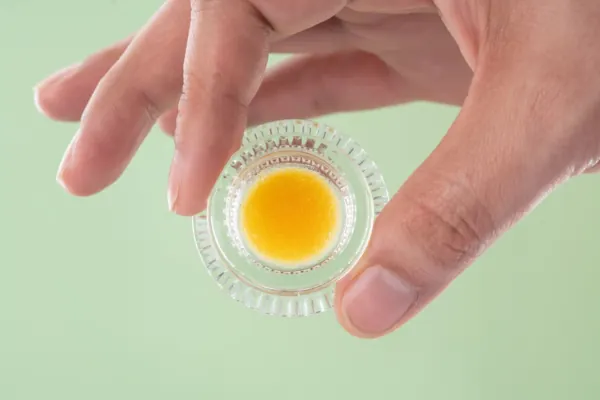
Before rosin or resin enters the picture, there’s the word they share. A concentrate is “live” when it’s made from fresh-frozen flower — cannabis harvested and frozen immediately, rather than dried and cured first. Freezing at harvest locks in the volatile terpenes that give each strain its aroma and character, the compounds that ordinary drying tends to drive off. That preserved terpene profile is what people are chasing when they reach for a live concentrate instead of a standard distillate. Both live resin and live rosin start here. They part ways at the extraction step.
What Is Live Resin?
Live resin is a solvent-based concentrate. Fresh-frozen flower is washed with a hydrocarbon solvent — usually butane or propane — that pulls the cannabinoids and terpenes off the plant. The solvent is then purged away under carefully controlled conditions, leaving a terpene-rich extract behind. Done properly in a closed-loop system, the finished product is clean, potent, and vivid, with the bright, strain-specific flavor live resin is known for. It’s the more efficient of the two methods, which is part of why live resin typically sits at a friendlier price point.
What Is Live Rosin?
Live rosin is solventless. Instead of chemicals, it uses only ice water, heat, and pressure. Fresh-frozen flower is agitated in ice water to separate the trichomes into bubble hash; that hash is dried, then pressed between heated plates until the resin literally squeezes out. No solvent ever touches it. The trade-off is labor and yield — it’s a slower, more hands-on process that produces less finished product per gram of input. That’s why live rosin usually carries the premium price in the case, and why it’s the pick for buyers who want the most “true-to-plant,” craft-tier option available.
Live Rosin vs Live Resin, Side by Side
| Live Resin | Live Rosin | |
|---|---|---|
| Extraction | Solvent-based (butane/propane) | Solventless (ice water, heat, pressure) |
| Starting material | Fresh-frozen flower | Fresh-frozen flower → bubble hash |
| Flavor profile | Bright, punchy, strain-forward | Clean, rounded, close to the plant |
| Common forms | Diamonds, badder, sauce, carts | Badder, jam, cold-cure, carts |
| Relative price | More accessible | Premium (craft-tier) |
| Best for | Big flavor at a better value | Purists who want solventless, top-shelf |
Neither is “better” in the abstract. Live resin delivers more flavor per dollar; live rosin delivers a solventless, craft experience for buyers who prioritize that. Both are far more aromatic and characterful than a standard distillate.
Is One Stronger Than the Other?
Not inherently. Potency depends on the specific batch and how the concentrate was made, not on the resin-versus-rosin category itself — a well-made live rosin and a well-made live resin can land in the same THCA range. The honest way to compare is to read the Certificate of Analysis (COA) for the exact jar you’re buying rather than assuming one type outperforms the other. Every concentrate we carry is third-party lab tested, and the COAs are available so you can check the actual numbers before you buy.
The Forms They Come In
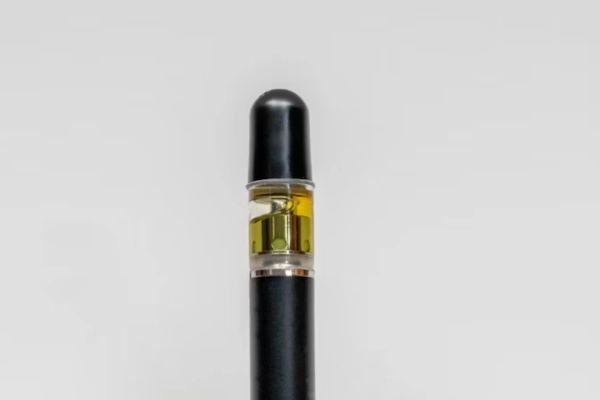
Part of what makes these concentrates so popular is the range of formats they come in, so you can match the product to how you like to consume. Diamonds are crystalline THCA that forms in a terpene-rich sauce during extraction — visually striking and high in potency, best for experienced dabbers. Badder and jam are soft, creamy, and easy to handle, which makes them the friendliest textures for dabbing or adding on top of flower in a bowl or joint. Carts and disposables load the same terpene-rich oil into a click-and-go format with no rig or setup required — for example, our Binoid THCA Live Rosin cartridge or 2g Live Rosin disposable. You’ll also see live rosin gummies for buyers who prefer a smoke-free format; onset and experience differ from inhalables, so start low and go slow. The format is a preference call — the resin-versus-rosin decision is the one that actually changes what’s inside.
Making It at Home
It’s a common search, so it’s worth being direct: home production isn’t recommended for either. Live resin involves flammable solvents and closed-loop equipment that are genuinely dangerous without professional training and proper purging. Live rosin is solventless and sounds approachable, but hitting dispensary-grade quality takes a proper rosin press, precise heat and pressure, and correctly handled fresh-frozen material — a substantial investment that lower-end gear won’t match. For a consistent, lab-verified result, buying from a tested source is the safer path.
Where to Buy Live Rosin and Live Resin
We stock both tiers so you can choose by preference and budget. On the solventless side, the Jelly Live Rosin Badder ($54.99) is our craft hero, with CaliGreenGold Top-Shelf Hash Rosin ($49.99) and Live Rosin THCA Diamonds ($36.99) close behind. On the solvent-based side, the CaliGreenGold live resin line — Badder and Diamonds (both $49.99, 3g) — delivers big flavor at a better value. Browse the full lineup on our concentrates page.
A note on legality: THCA concentrates are federally legal hemp under current rules and we ship nationwide where permitted, but hemp regulations are changing in 2026 — see our legal status page for the current picture in your state. Products are 21+.
Frequently Asked Questions
Is live rosin stronger than live resin?
Not necessarily. Potency comes down to the individual batch, not the category. Both can reach similar THCA levels — check the product’s COA for the exact figure rather than assuming one type is stronger.
Is live rosin better than live resin?
Neither is objectively better. Live rosin is solventless and craft-tier, preferred by purists; live resin offers bright, strain-forward flavor at a more accessible price. The “better” one is the one that fits your priorities and budget.
Does live rosin contain solvents?
No. Live rosin is made with only ice water, heat, and pressure — no butane, propane, or other chemical solvents at any stage. Live resin, by contrast, is solvent-extracted.
Why is live rosin more expensive?
It’s more labor-intensive and yields less finished product per gram. The solventless press process takes more time and material, which is reflected in the premium price.
What’s the difference in taste?
Live resin tends to taste bright and punchy, leaning into a strain’s sharpest notes. Live rosin tends to taste cleaner and more rounded — closer to the raw plant. Both are far more flavorful than distillate.
How do you use live rosin and live resin?
Both can be dabbed with a rig, added on top of flower in a bowl or joint, or enjoyed pre-loaded in a cart or disposable. Softer textures like badder and jam are the easiest to handle for beginners.
Is THCA live rosin legal?
THCA hemp concentrates are federally legal under current rules and ship nationwide where state law permits. Rules are evolving in 2026, so check our legal status page for your state before ordering. All sales are 21+.