

 Log In
Buy the Best THCA Flower Online






If you’re looking to buy THCA flower online, the number on the label is only one part of the decision. You’re choosing whole flower, so the condition of the buds, visible trichomes, aroma, texture, curing, and stated cannabinoid content all give you useful information before you buy.
THCA flower is sold as cultivated, cured flower rather than a pre-measured edible, vape, or other finished format. That gives you more control over the amount and preparation, while also making the physical quality of the buds more important when comparing products.
This selection lets you shop different strains and compare their THCA content, flower type, terpene characteristics, appearance, and available quantities. Whether you already have a preferred cultivar or you are looking for a high-THCA option, the product listings give you a starting point for comparing the flower before placing your order.
Buy THCA Flower
Showing 101–118 of 118 results
-
Sale!
Frosted Brands Runtz Hybrid THCA Flower
Price range: $16.99 through $103.96 -
Sale!
Frosted Brands Sour Grape Hybrid THCA Flower
Price range: $20.99 through $167.92Out of Season -
Sale!
Frosted Brands Gelato #41 Exotic Hybrid THCA Flower
Price range: $19.99 through $126.99 -
Sale!
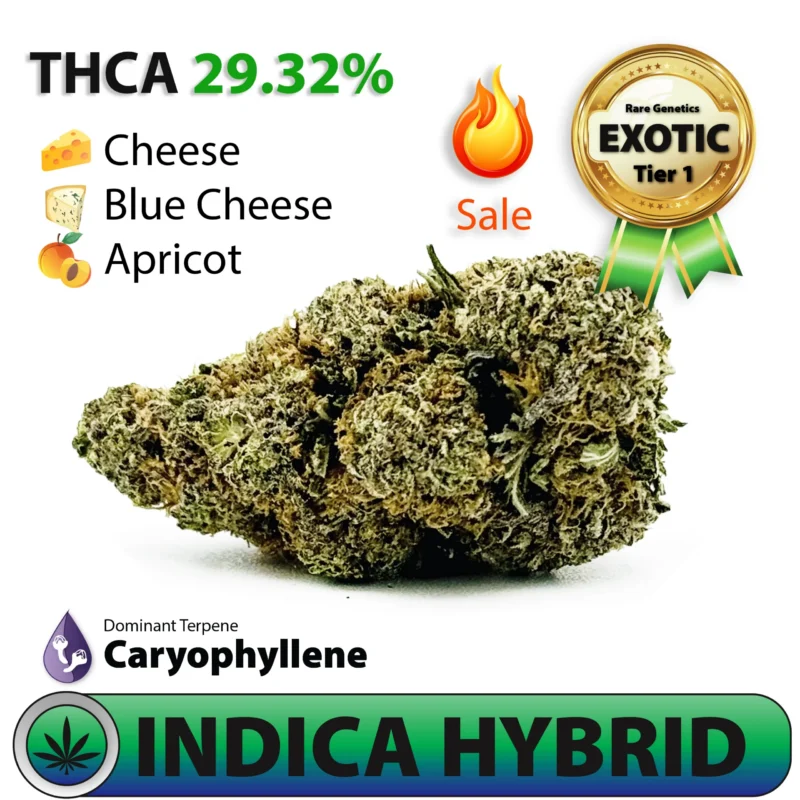
Triple Hash Burger Strain – THCA Flower
Price range: $19.99 through $159.92 -
Sale!
Mean Mama Strain – Hybrid THCA Flower
Price range: $19.99 through $126.99 -
Sale!
Jet Fuel Gelato THCA Flower
Price range: $19.99 through $152.99 -
Sale!
Frosted Brands Oakland Piff Sativa Dominant Hybrid THCA Flower
Price range: $16.99 through $103.96 -
Sale!
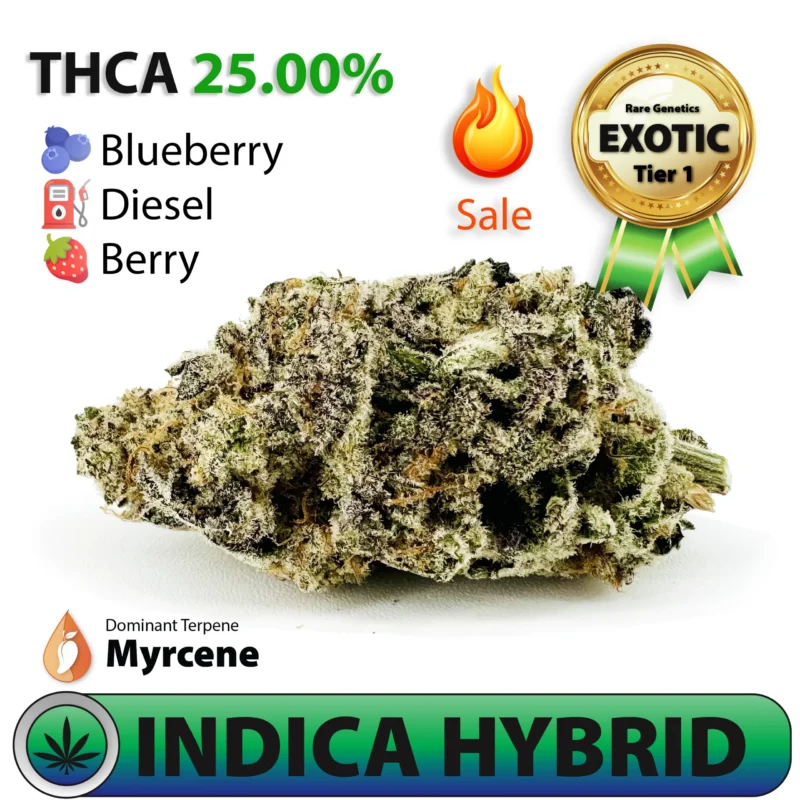
Blue City Diesel Strain – Exotic Indica Dominant Hybrid THCA Flower – Frosted Brands
Price range: $19.99 through $139.93 -
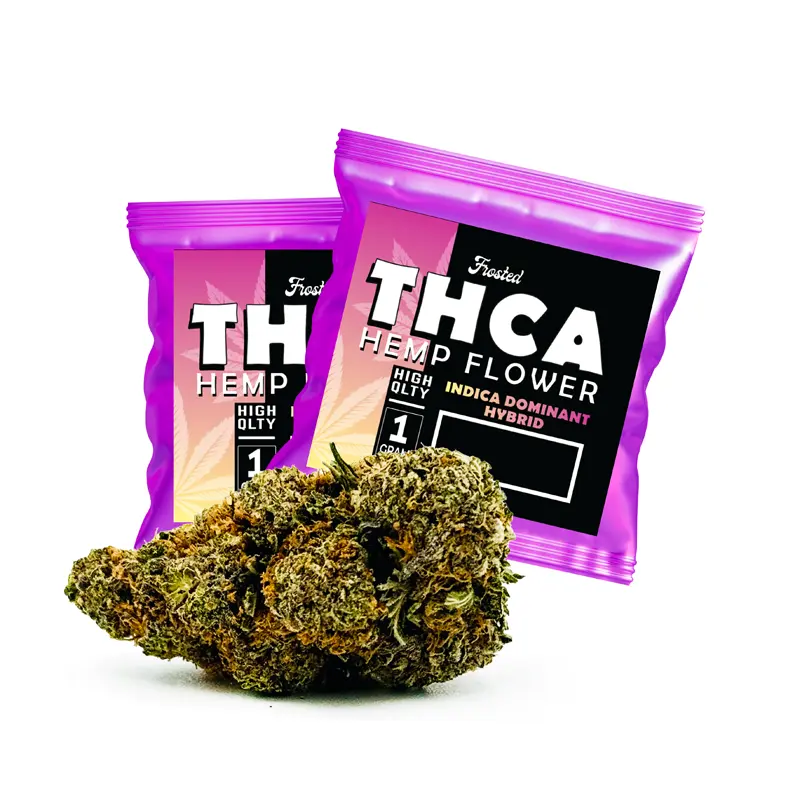
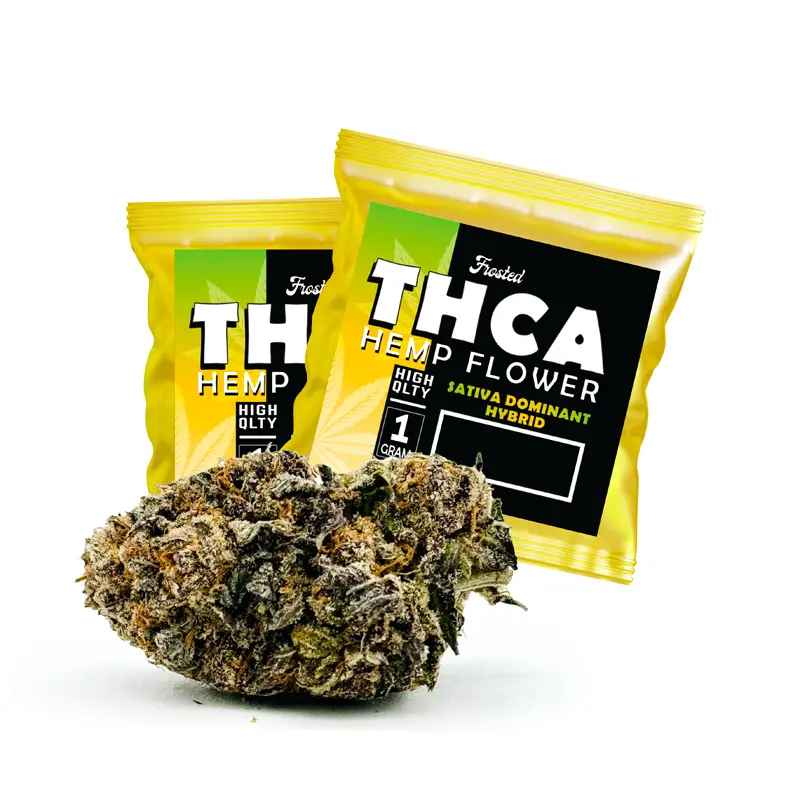
Frosted Brands THCA Hemp Flower Dime Bags – 1g
Price range: $10.99 through $11.99 -
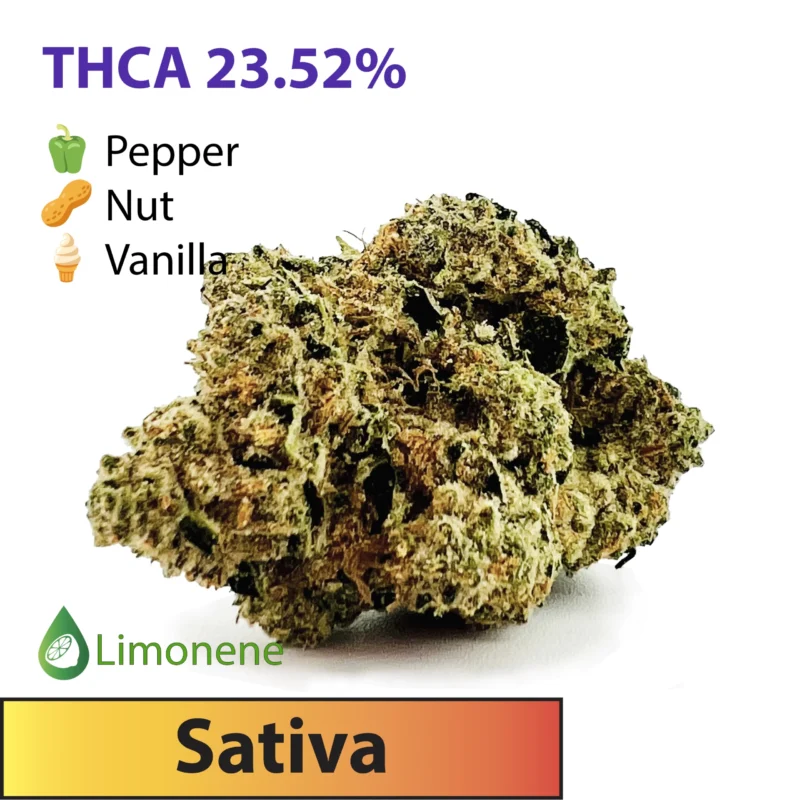
Frosted Brands Pandemic Punch Sativa THCA Flower
Price range: $20.92 through $167.38 -
Sale!
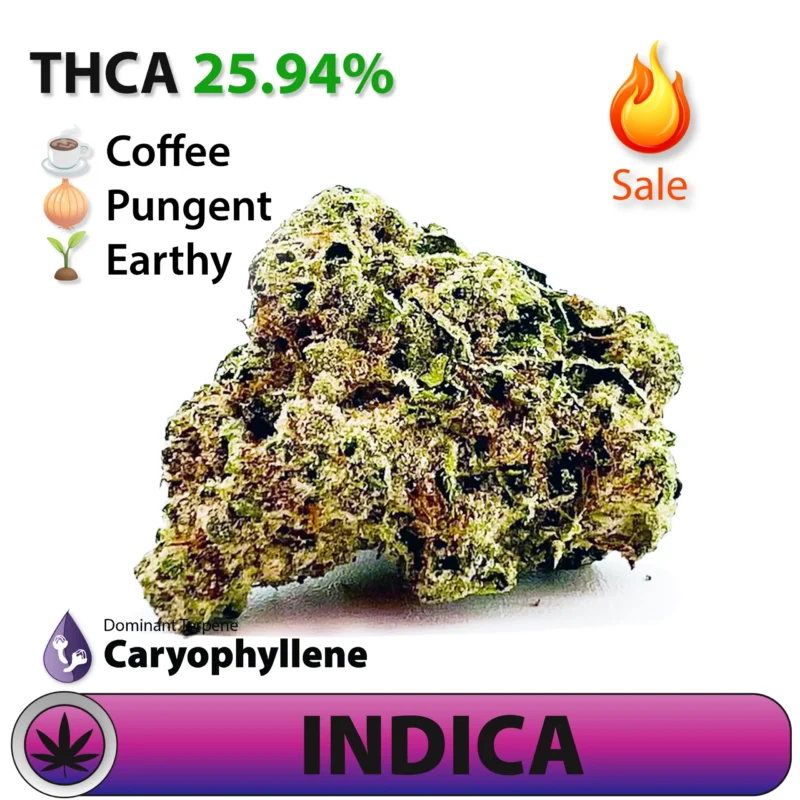
Frosted Brands Quarantine Kush Indica THCA Flower
Price range: $16.99 through $135.92THCA 25.94% -
Sale!
Frosted Brands Mendo Milk Sativa Dominant Hybrid THCA Flower
Price range: $16.99 through $103.96 -
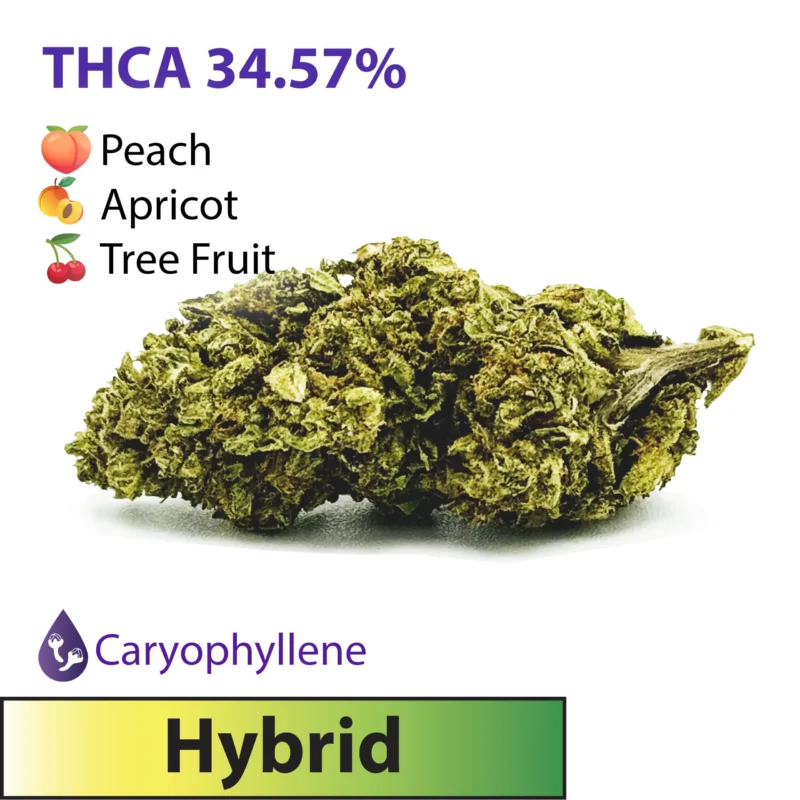
Frosted Brands Georgia Pie Hybrid THCA Flower
Price range: $24.70 through $197.60 -
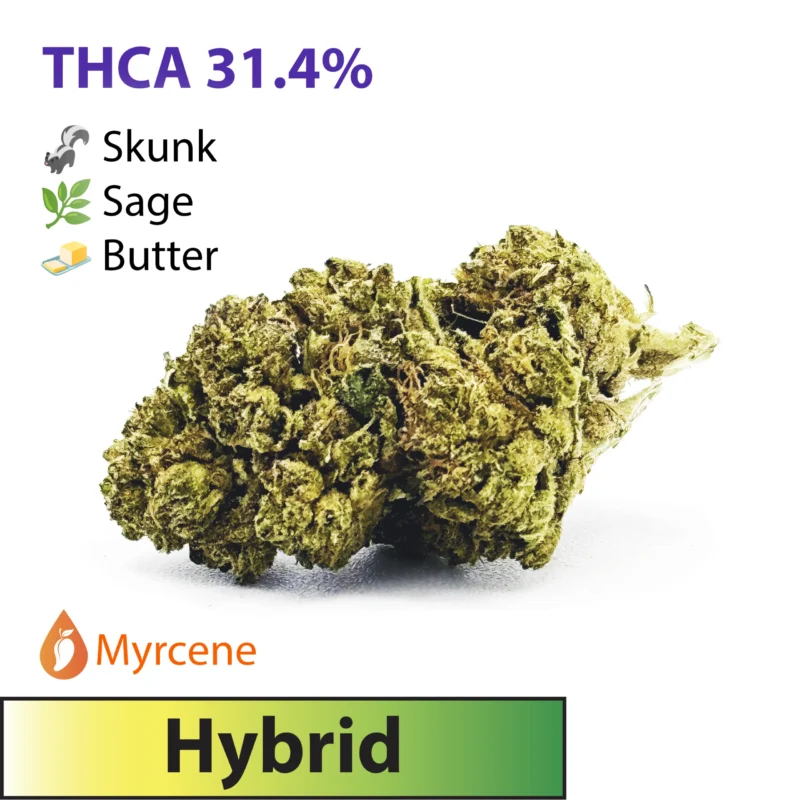
Frosted Brands Samoa Hybrid THCA Flower
Price range: $23.70 through $189.60 -
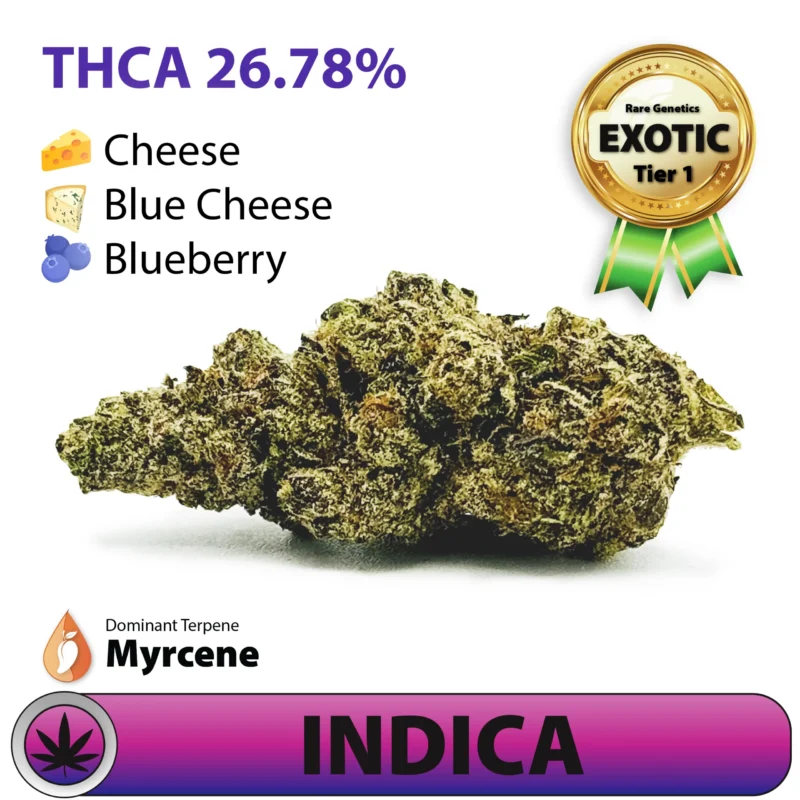
Frosted Brands Blue Cheese Exotic Indica THCA Flower
Price range: $33.81 through $270.48 -
Sale!
Frosted Brands Peanut Butter Breath Hybrid THCA Flower
Price range: $16.99 through $103.96 -
Frosted Brands Wedding Cake Indica Dominant Hybrid THCA Flower
Price range: $21.49 through $171.92 -
Sale!
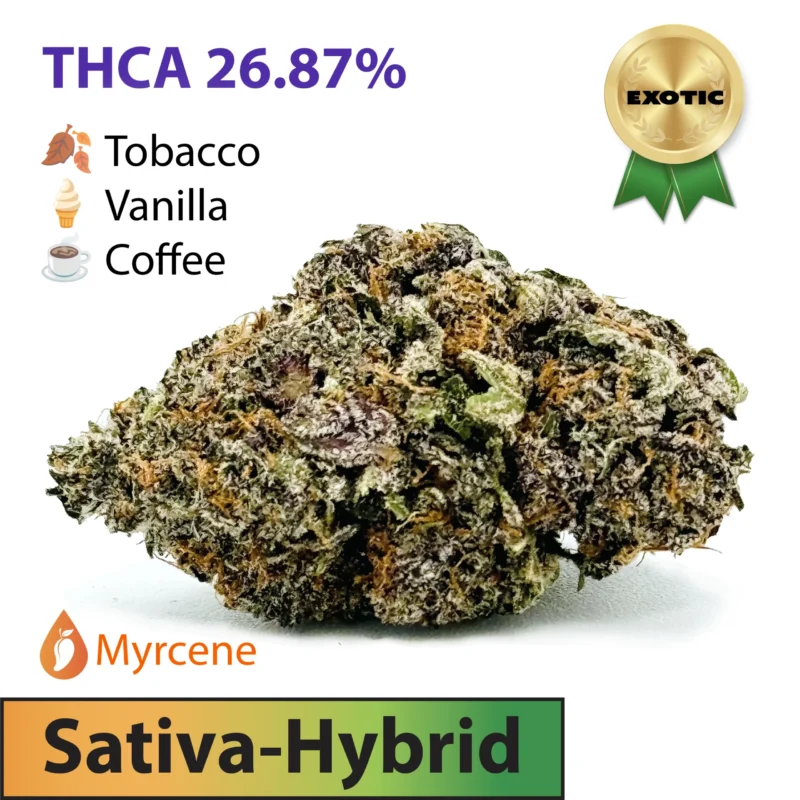
Frosted Brands Midnight Oreoz Exotic Sativa Dominant Hybrid THCA Flower
Price range: $23.99 through $191.92
What to Look for in THCA Flower
THCA Percentage
THCA concentration is one of the clearest ways to compare flower on paper. Different strains can have different cannabinoid percentages, so check the stated amount on each product before choosing.
A higher percentage means a greater concentration of THCA, but it should not be the only factor guiding your purchase. Flower quality also depends on how the buds were cultivated, cured, handled, and stored.
If two products have similar percentages, look at their strain, terpene profile, appearance, and available quantity to make the comparison more useful.
Bud Structure
The physical appearance of the flower can tell you a great deal about how it has been handled. Look for buds that maintain their shape rather than appearing excessively compressed, brittle, or broken apart.
Dense or open structure can vary naturally between strains, so there is no single appearance that defines good flower. What matters is whether the product looks intact and consistent with the characteristics presented in its listing.
Trichome Coverage
Trichomes are another visual characteristic worth checking when comparing THCA flower. These small structures cover the surface of the buds and contribute to their distinctive appearance.
Visible trichome coverage can help you distinguish whole flower from products that have been heavily processed or altered. When comparing products, consider trichome appearance alongside cannabinoid information rather than using it as a substitute for lab data.
Aroma and Terpenes
Aroma gives you another way to distinguish one strain from another. Depending on the cultivar, you may encounter citrus, earthy, sweet, pine, gas, fruit, or other aromatic characteristics.
Terpene information can provide additional context when it is included in the product listing. If you already know the profiles you prefer, use those details to narrow down the selection instead of choosing exclusively by THCA percentage.
Freshness and Curing
Freshness matters particularly with flower because heat, light, air, and moisture can affect how the product is preserved over time.
Properly cured flower should retain its basic structure and characteristic aroma without being excessively dry or unusually soft. Texture can vary naturally between products, but flower that crumbles immediately or appears significantly compromised may not provide the presentation you expect from a well-preserved product.
After purchase, keep your THCA flower sealed and stored away from direct sunlight, excessive heat, and moisture. Limiting unnecessary exposure to air can also help preserve its physical characteristics and aroma.
Choose Your Flower Type
THCA flower is available in different strain classifications, including Indica, Sativa, and Hybrid options.
These labels can help you organize the selection, but they are only one part of the comparison. The specific cultivar, cannabinoid percentage, terpene profile, aroma, and physical characteristics can vary considerably between products carrying the same broad classification.
If you already know which type you prefer, use that as your first filter. From there, compare individual strains rather than assuming that every Indica, Sativa, or Hybrid product will have the same characteristics.
Whole Flower vs. Infused Options
One of the biggest distinctions to make when shopping is whether you want whole flower or an infused product.
Whole THCA flower gives you the original flower format without an additional infusion. This makes it a straightforward choice when you want to select your own quantity and preparation method.
Infused products add another component to the flower, which changes the product composition. If that is what you are looking for, explore formats such as Pre-Rolls instead of assuming that every flower product is interchangeable.
For shoppers interested in a more specialized flower format, you can also shop Snowcaps, a more concentrated style of flower product.
THCA Flower vs. Delta 9 Flower
THCA Flower and Delta 9 Flower deserve separate consideration when you are comparing cannabinoid-specific products.
THCA flower is identified primarily by its THCA content, while Delta 9 flower is marketed around its Delta 9 THC content. Because the cannabinoids are different, the product label and available cannabinoid information should be the starting point for your comparison.
If you are deciding specifically between the two categories, compare the cannabinoid information, strain selection, terpene characteristics, and available formats rather than treating them as identical products.
You can browse our Delta 9 Flower selection if you want to compare the available options.
How to Choose the Right THCA Flower
A simple way to narrow down the selection is to compare these factors in order:
- THCA percentage: Check the stated cannabinoid concentration.
- Strain: Choose the cultivar that interests you rather than shopping only by potency.
- Flower type: Compare Indica, Sativa, and Hybrid options.
- Appearance: Look for intact buds and visible trichome coverage.
- Aroma: Consider the strain’s listed scent and terpene characteristics.
- Freshness: Pay attention to how the flower has been cured, packaged, and stored.
- Quantity: Choose the amount that makes sense for trying a new strain or returning to one you already prefer.
- Testing information: Review available laboratory information when provided with the product.
This approach gives you more useful information than simply choosing whichever product has the highest number on the label.
Frequently Asked Questions
What is THCA flower?
THCA flower is cannabis flower that contains tetrahydrocannabinolic acid (THCA) as its listed cannabinoid. The flower is sold in its whole-bud form rather than as an edible, vape, or other processed format.
What should I look for when buying THCA flower?
Start with the stated THCA percentage and then compare strain, flower type, aroma, terpene information, bud structure, freshness, and quantity. Looking at several characteristics gives you a better basis for comparing products.
Is a higher THCA percentage always better?
Not necessarily. THCA percentage tells you about cannabinoid concentration, but it does not describe every aspect of the flower. Curing, freshness, structure, aroma, and strain are also useful factors to consider.
How do I know if THCA flower is fresh?
Look at its overall structure, aroma, and texture. Flower should retain its basic shape and characteristic scent without being excessively brittle or compromised. Storage conditions after purchase also matter.
What is the difference between THCA flower and infused flower?
THCA flower is sold as whole flower without an additional infusion, while infused products contain another ingredient added to the flower. Check the product description to determine exactly what is included.
Should I choose Indica, Sativa, or Hybrid THCA flower?
Use the classification as a starting point, then compare the individual strain’s cannabinoid content, aroma, terpene information, and other listed characteristics. Products within the same classification can still differ considerably.
How should I store THCA flower?
Keep it sealed in a cool, dry location away from direct sunlight and excessive heat. Avoid unnecessary exposure to air and moisture to help preserve the flower’s physical characteristics and aroma.
Is THCA flower different from Delta 9 flower?
Yes. The categories are based on different cannabinoids. When comparing them, review the cannabinoid information provided for each product rather than treating the two labels as interchangeable.