Log In
Living with compliant vapes in Texas now means accepting a simple starting point: this is the landscape we have. A landscape without countdowns and an adjustment period left. The shift has already settled into everyday reality as a series of small changes.
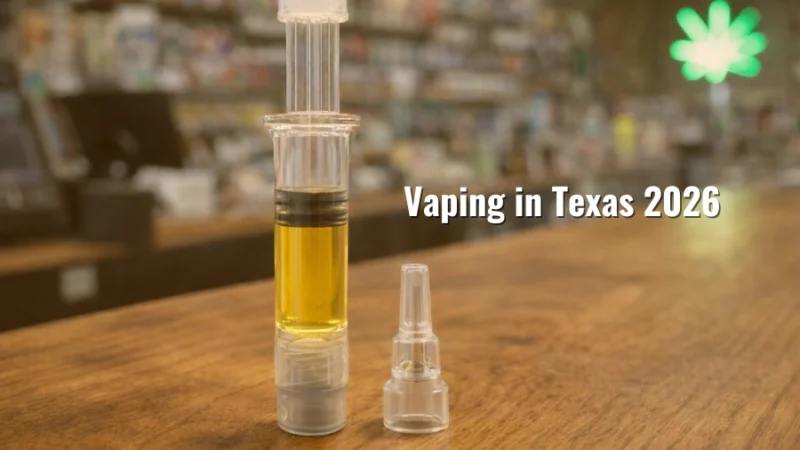
The most obvious one shows up before anything is inhaled. Products that once arrived finished now arrive unfinished. A syringe replaces a sealed disposable. Hardware comes empty. What used to be a single object is now a set of parts that need to meet each other before the session can begin.
That change doesn’t announce itself as an improvement. It doesn’t make life easier, smoother, or more efficient. It simply alters where the work happens. The preparation that used to be hidden inside manufacturing now sits with the user. Filling, waiting, checking consistency, paying attention to how the material behaves once it’s warmed. None of this is complex, but all of it is visible again.
For people with experience, handling hardware is not unfamiliar territory. It’s just territory that had faded into the background during the disposable era. The object itself makes that clear.
We don’t want to convince you that this change is better, or to dress it up as progress. We want to help you adapt without losing what made vaping enjoyable in the first place. To smooth out the rough edges, avoid unnecessary waste, and get back to sessions that feel familiar, even if the setup looks different from how it used to.
Blog Summary:
This post walks you through how vaping actually functions in Texas now, without framing the shift as a setback or a fix. Inside, you’ll find:
- How syringe-based THCA vapes change where control and responsibility sit
- What affects performance before the first draw ever happens
- The small setup choices that quietly shape flavor, lifespan, and consistency
- When including disposable devices makes more sense than your hardware
- How to decide between simplicity and customization without overthinking it
- What it means to live within the limits of compliant vapes
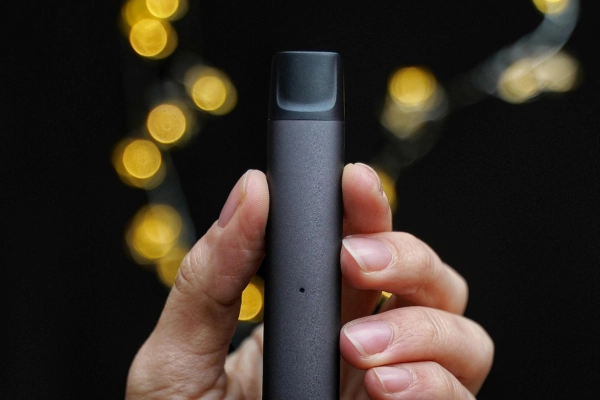
Table of Contents:
- From Disposables to Components
- Understanding Syringe-Based THCA Vapes
- Filling Disposable Kits the Right Way
- Mistakes That Shorten Device Lifespan
- Getting the Included Device
- Pairing the Syringe With Your Own Hardware
- Living With the Limits
From Disposables to Components
For a sweet, long time, disposables removed decision-making from the process. Disposables collapsed everything into a single object. With Texas-compliant vapes, the experience is spread across separate pieces that no longer arrive pre-aligned.
Each component now carries its own role. The syringe holds material, nothing more. The cartridge determines airflow and wicking. The battery controls heat delivery. None of these parts compensates for the others. They don’t correct mistakes or smooth over mismatches. They simply do what they’re built to do.
This separation introduces choice where there used to be none. Not in a philosophical sense, but in a practical one. The same syringe can behave differently depending on the fluid and delivery nozzle that it’s paired with. The same cartridge will perform differently on two batteries set at different voltages. Hardware compatibility, once irrelevant, now shapes flavor, draw resistance, and longevity.
For many, this has meant revisiting gear they already own. A battery that felt forgettable with disposables suddenly matters. A cartridge design that used to be interchangeable becomes noticeable after a few refills. The system rewards familiarity with tools, not necessarily loyalty to a brand or format.
Understanding Syringe-Based THCA Vapes
Syringe-based THCA vapes change where control lives. Instead of being locked inside a sealed device, it sits in your hands before anything is activated. The material is visible. The amount is measurable. The moment of use is separated from the moment of preparation.
What matters first is texture. THCA distillate and diamond suspensions behave differently than the oils people are used to from disposables. They move more slowly, respond to warmth, and settle over time. That behavior is simply part of working with a concentrated material that hasn’t been optimized for speed or mass production.
The syringe format makes that behavior obvious. You can see how quickly the concentrate flows, how it responds to room temperature, and how much pressure it takes to move it cleanly.
This visibility helps set expectations early. Rushing the fill usually leads to air pockets or uneven wicking later. Moving too slowly can introduce bubbles that take time to work out. A steady pace tends to produce the most predictable results.
Another difference is timing. Syringe-based setups benefit from rest. Once the cartridge or disposable is filled, the material needs a short window to settle into the wick. Skipping that step often shows up later as dry pulls, muted flavor, or inconsistent vapor. Letting gravity do its job keeps the session stable from the first draw onward.
Filling Disposable Kits the Right Way
Filling your new kit is the needlessly anxiety-inducing point where most consumers feel as if their fate is decided. The anxiety stems from the fact that the act itself is not difficult, but small choices here carry forward into every session that follows.
For example, we recommend you consider the temperature of your liquid and environment instead of worrying about the amount of pressure you need to apply to successfully transfer your liquid. Distillates and diamond blends move best when they’re slightly warm, not hot. Body heat or a warm room is usually enough. Overheating thins the material too much and increases the chance of leaks later. Cold material resists movement and encourages uneven fills. You’re looking for a slow, steady flow that responds to light pressure.
Position matters more than you might expect. Keeping the disposable upright during the fill allows the concentrate to settle naturally toward the intake ports. Tilting or rotating the device mid-fill often traps air where the wick needs contact. A straight, patient fill gives the material a clear path and reduces the need for correction later.
Filling to capacity leaves no room for movement once the device warms during use, so be careful with that. Leaving a small buffer at the top helps prevent pressure buildup and seepage. Most disposable kits perform more consistently when they aren’t packed to the limit, even if the chamber technically allows it.
Once filled, resist the urge to test it immediately. The wick needs time to saturate evenly. Setting the device aside vertically for a short rest lets the concentrate settle into place without assistance. This pause does more for flavor and coil longevity than almost any adjustment made later.

Mistakes That Shorten Device Lifespan
Most issues that show up later in a device’s life come from habits that made sense with disposables and don’t translate cleanly to refillable setups. The device still works, but it works under different assumptions.
One of the most common missteps is drawing too early, too often. New fills tempt people to check performance right away, then check again a minute later. Each short pull introduces heat before the wick is fully saturated. Over time, that pattern dries out sections of the coil unevenly.
Voltage is another quiet factor. Disposable batteries are designed to operate within a narrow range. Pushing them harder doesn’t improve output in a meaningful way. It stresses the coil, darkens the concentrate near the intake, and accelerates buildup. Consistent, moderate heat tends to preserve both flavor and function far longer.
Storage habits matter too. It’s not only important to know how to store THCA flower; other formats need care as well. Leaving a filled device on its side encourages concentrate to migrate away from the wick. Heat from pockets, cars, or direct sunlight thins material unpredictably, increasing the chance of seepage into areas not designed to handle it. Upright storage in a stable environment keeps the system balanced between sessions.
Finally, refilling too frequently without fully emptying the chamber creates layering. Old material thickens near the coil while fresh concentrate sits above it. This uneven mix changes how the device wicks and heats over time. Letting a fill run its course before adding more helps the device behave consistently from start to finish.
Getting the Included Device
The disposable devices included with new kits (like we have with the Trap’d Out Live Rosin, the Psyched Terped Diamonds, and the Peak Distillate) are designed to remove decisions, not to elevate performance. It has one job: to work without asking for setup, pairing, or adjustment. In that role, it does what it’s meant to do.
The included device is already matched to the syringe’s viscosity and intended use. Airflow, coil resistance, and output sit in a range that avoids extremes. There’s less risk of overheating, less temptation to push voltage, and fewer variables to manage while the material settles.
It also fits situations where simplicity matters more than optimization. Short sessions. On-the-go use. Days when you don’t want to think about hardware choices or carry extra pieces. The disposable keeps the experience contained. You fill it, let it rest, and use it until it’s done.
Included devices are meant to be used through a single fill cycle, not endlessly refilled or pushed past their limits. When treated that way, they tend to behave predictably from start to finish. Problems usually appear when they’re asked to do more than they were designed for.
Using the included device isn’t a compromise. It’s a decision to keep variables low. In a setup that already requires more participation than old disposables did, there are times when fewer choices are the better choice.
Pairing the Syringe With Your Own Hardware
Using your own hardware changes the balance of the setup. This option tends to make sense for people who already know how their devices behave. A battery you’ve used for years, a cartridge style you trust, a voltage range you don’t need to think about. Familiar hardware reduces guesswork, even if it introduces more variables on paper.
Flavor is usually the first difference you’ll notice. When heat delivery is more controlled, terpene expression tends to stay cleaner longer into the fill. The vapor feels less compressed. Draws stretch instead of peaking quickly. That doesn’t mean stronger results, just a different shape to the session.
Longevity can improve as well, but only when the pairing is thoughtful. Hardware that runs too hot or pulls too aggressively will shorten a fill faster than any disposable would. Matching viscosity to airflow and heat matters more here. When those pieces align, refills tend to stay stable deeper into the cycle.
It’s all about tailoring it. For some, that means better flavor. For others, it’s familiarity or control. The tradeoff is attention. Personal hardware asks you to stay aware of what you’re pairing and why. When that feels natural, the setup usually does too.
Living With the Limits
Texas-compliant vapes come with boundaries. They require a bit more setup, a bit more patience, and a clearer sense of how materials behave. They don’t hide their limits, and they don’t try to work around them. That’s part of what makes them usable.
Once you understand those limits, most of the friction disappears. You stop pushing devices past what they’re designed to do. You fill, you wait, you use what’s there, and you move on. The experience will become steady again, even if the format looks different.
Some formats feel fragile. Others settle into routines without much effort. Knowing the difference matters more now than it did before. That’s where selection and familiarity start to count. Living with compliant vapes works best when you’re not guessing. When the hardware, the material, and the format all make sense together. When you know what a product is built to do and what it isn’t trying to be.
This is the landscape we’re operating in now. Not perfect, but workable. And once the limits are clear, there’s still plenty of room for sessions that feel calm, predictable, and enjoyable in the way they always did. That’s also how we approach what we carry online: products chosen for how they behave in real use, not for how they look on paper.