Log In
If you’re honest with yourself, your routine probably doesn’t look like it did a few years ago. You don’t always finish what you buy right away. Some things get used slowly, in between workdays, weekends, travel, or long gaps where cannabis simply isn’t the focus. And that’s not a problem, it’s just how life settled.
Cannabis has slipped into that same category as other things you rely on over time. You open it, come back to it, set it aside, then reach for it again weeks later. That’s when cannabis shelf life started feeling personal. You want what you bought to still feel like itself when you return. You want the same texture, same flavor clarity, and same predictable response.
You’ve probably caught yourself thinking about this without naming it. Wondering how long something will hold up. Whether it will still feel familiar later. Whether it was designed to be used slowly or only to impress the first time.
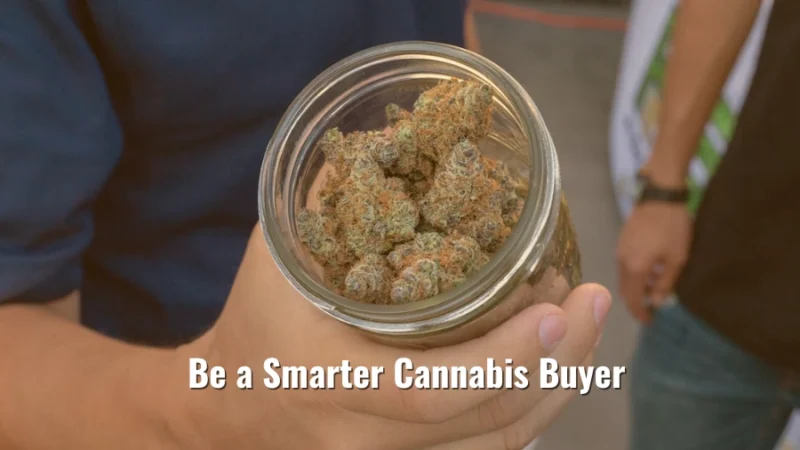
As we move toward 2026 (we are almost there; we can do this), being a smarter cannabis buyer means buying in a way that matches how you live. Shelf life becomes part of that alignment because consistency over time is what makes a product worth keeping around.
Blog Summary:
Buying cannabis has changed. What once felt spontaneous now lives inside real routines, longer gaps, and slower rhythms. This piece looks at how cannabis shelf life has become part of smarter decision-making as we head into 2026. Inside, we explore:
- How lifestyles are changing what “value” means in cannabis
- Why reliability over time matters more than novelty
- Which product formats tend to stay consistent
- What causes some products to change faster than others
- How longer shelf life reduce waste, purchases, and trips
- Why brand consistency plays a bigger role than marketing
- How a dispensary’s curation can support long-term use
Table of Contents:
- Novelty Fades
- Shelf Life as a Form of Control
- Formats That Naturally Last Longer
- Why Some Products Degrade Faster Than Others
- Fewer Trips, Better Value
- Brands Built for Stability
- A Dispensary That Thinks Long Term
Novelty Fades
At some point, you start noticing a pattern. The products that catch your attention the fastest aren’t always the ones you finish. New formats, new flavors, new drops all promise something slightly different, and for a moment, that feels exciting. Then time passes. A few uses in, the spark quiets, and what’s left is how the product behaves when it’s no longer new.
And that’s when you realize that reliability matters more than novelty. Not in a dramatic way, just in small, everyday moments. When you open something weeks later and it still smells the way you remember. When the texture hasn’t shifted. When the experience doesn’t surprise you by drifting in a direction you didn’t expect.
As cannabis shelf life becomes part of how people evaluate what they buy, the question changes. It’s no longer only about how something feels on day one. It’s about how long does weed last. Whether the formulation was built to hold, or whether it was designed to impress quickly and move on.
Shelf Life as a Form of Control
Once cannabis becomes part of a longer routine, shelf life stops being abstract and starts shaping real decisions in the small mechanics of how you buy and use it. How much you pick up at once. Whether you feel comfortable opening something now or saving it for later. How often you need to restock.
Products with a longer, more stable cannabis shelf life give you room to move. You can open them when it makes sense, not because you’re worried about decline. You can pause, come back, and expect the experience to stay familiar. That changes the rhythm entirely.
When a product holds its structure over time, fewer purchases go unfinished. Fewer items get pushed aside because they no longer feel the way they did at the start. The value isn’t only in potency or price per unit, but in how much of what you buy gets used.
Viewed this way, shelf life becomes a practical lever. It helps you decide when to buy, how much to buy, and which formats make sense for your pace.
Formats That Naturally Last Longer
Some cannabis formats are simply easier to live with over time. THCA flower is one of them. It allows for gradual use without locking you into fixed portions. You decide how much to break down, when to stop, and when to return.
That flexibility makes it well-suited for longer stretches, as long as it’s handled with basic care. Storage habits matter, and small adjustments can extend freshness and consistency significantly.
Concentrates also tend to perform well in this context. Their density and lower exposure surface mean they change more slowly when opened and resealed thoughtfully. When kept sealed between sessions and handled with intention, they maintain texture and flavor clarity across longer periods, even when use is occasional.
Liquid formats like tinctures and syrups fall into a similar rhythm. Measured use, limited air exposure, and secure containers help them stay consistent from the first drop to the last. They’re easy to pause and return to without feeling like the experience has shifted unexpectedly.
What these formats share is not permanence, but adaptability. They tolerate real routines. They don’t demand urgency. Within the broader conversation around cannabis shelf life, that adaptability is what makes them reliable options for people who buy with weeks or months in mind, not just the first session.
Why Some Products Degrade Faster Than Others
Shelf life isn’t random as it’s shaped by exposure, structure, and how a product is meant to be handled once it’s in your hands. Some formats change faster simply because they interact more with air, light, heat, or repeated contact during everyday use.
Products that require frequent opening, breaking, or handling tend to shift sooner. Each interaction introduces small changes. Aroma softens. Texture adjusts. Flavor clarity becomes less defined.
Portioning also plays a role. Formats that encourage dividing, cutting, or reshaping can lose uniformity across sessions. What felt balanced at the start may behave differently weeks later.
We are not mentioning it so that you avoid certain formats altogether. That’s just not smart. It’s about knowing which ones ask more from your routine. When the cannabis shelf life aligns with how you use a product, consistency comes easier. When it doesn’t, the experience shifts faster than most people expect.
Fewer Trips, Better Value
Once shelf life enters the equation, long-lasting cannabis products begin to feel less like a category and more like a convenience. When something holds its character week after week, there’s less pressure to replace it quickly. You can plan around it. You can let it live on the shelf without wondering whether it will still deliver when you come back to it.
That predictability shows up in value, too. Not as a discount (we do have products on sale and bundles, in case you were wondering), but as fewer wasted purchases. When you finish what you buy, the cost per use makes more sense. When effects stay consistent, there’s less trial-and-error spending. Over time, the question of does weed expire becomes less about timelines and more about trust.
For many of us heading into 2026, this is what smarter cannabis buying looks like in practice. Products that reduce friction. Fewer store visits. Fewer surprises. Better alignment between what you buy and how you actually live.
Brands Built for Stability
Once formats are understood, attention naturally shifts to brands. The consistent ones. The brands that design products to behave the same way in week three as they did on day one. Because that kind of stability comes from formulation discipline, packaging choices, and an understanding of how we use cannabis.
CBDfx is a good example of this approach. Their gummies and capsules are known less for novelty and more for repeatability. Effects stay even, textures hold, and the experience doesn’t drift as time passes.
Hometown Hero operates with a similar mindset. Products are built to remain consistent across longer stretches, with packaging that supports gradual use instead of forcing urgency. That makes them a natural fit for you if you think in terms of weeks, not weekends.
CaliGreenGold also stands out here, particularly with their concentrates. Their formulations tend to prioritize stability and predictable behavior, even when use is occasional. When a brand pays attention to how exposure, sealing, and formulation interact over time, the result is a product you can return to without recalibrating expectations.
A Dispensary That Thinks Long Term
Most people don’t walk into a dispensary looking to manage variables. You’re not there to calculate timelines or wonder does weed go bad once it’s sitting at home. You expect what you buy to hold up, quietly and reliably, without asking for extra attention.
That expectation shapes how we think about curation at D8Austin. We look past first impressions and focus on how products behave after they’ve been opened. How they settle into a routine. How consistent they remain when used and stretched across weeks, not just a single moment.
Cannabis shelf life isn’t something we treat as a warning or a selling point. It’s a baseline consideration tied to real use.
We know most of you aren’t chasing constant change. You want products that stay familiar. Brands that don’t need re-learning every time. Formats that fit into real schedules without creating urgency. And our shelves reflect that understanding, because that’s how cannabis shows up in our own lives too.
Looking toward 2026, smarter buying feels less about managing risk and more about removing friction. We want to make that easier for you. To offer a selection built for the long term, so the question never becomes whether something will hold up, but simply when it fits into your life next.